Robin P. Choudhury
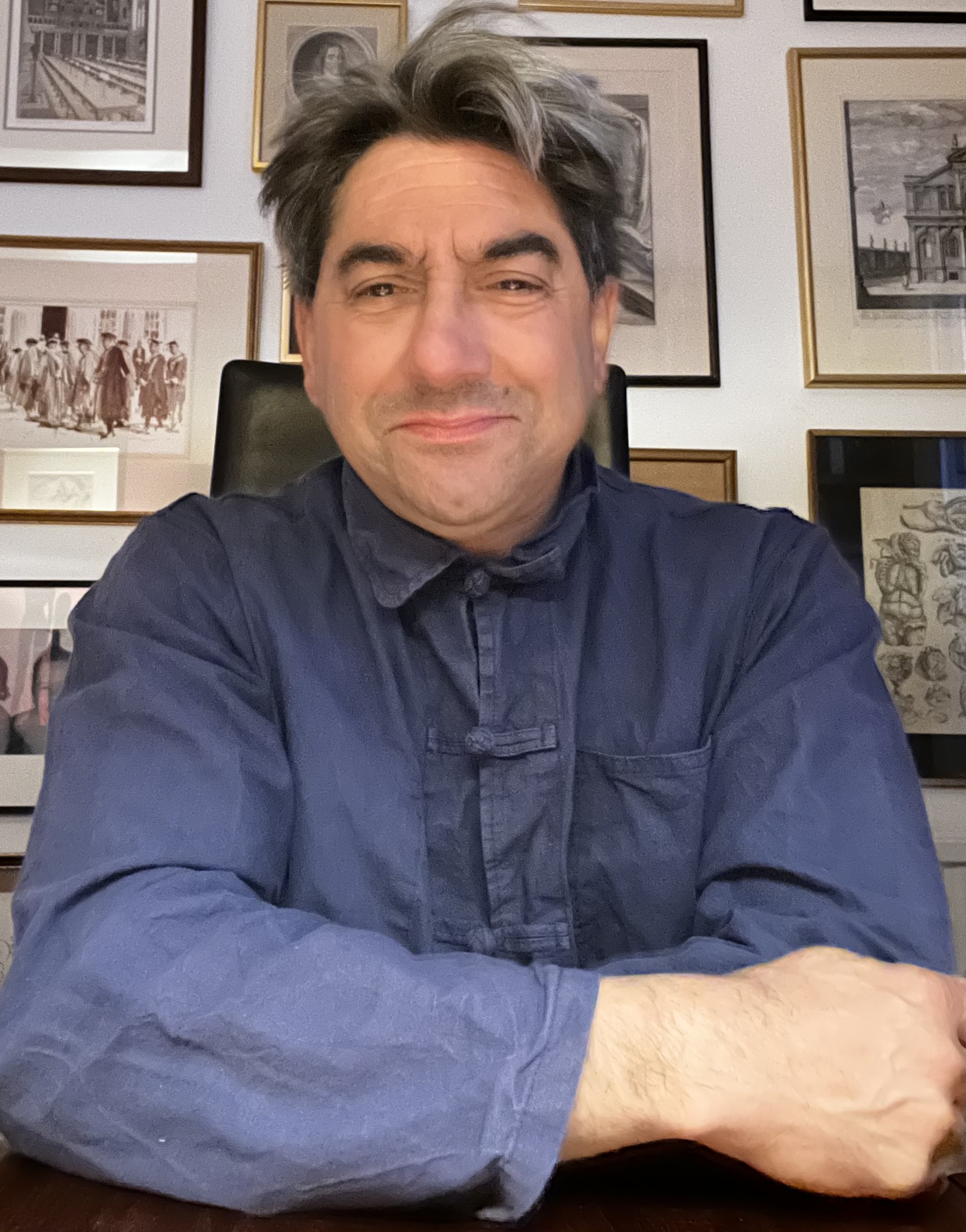
Robin Choudhury is professor of cardiovascular medicine at the University of Oxford, Fellow of Balliol College, and a practicing cardiologist. He trained in Oxford, London and New York. His clinical expertise is in atherosclerosis prevention and treatment, having practiced as an interventional cardiologist for over 20 years. He also heads a laboratory working on molecular and cellular mechanisms of heart injury and repair. He has a particular interest on how extracellular vesicles and metabolic factors reprogramme the immune system. He is a Fellow of Balliol College and of the Royal College of Physicians and is a former Wellcome Trust Senior Research Fellow.
He is co-editor of the Handbook of Cardiology Emergencies (OUP); and contributor to the Oxford Textbook of Medicine (OUP). He has a lifelong passion for the visual arts. In 2013, he led a group at the Oxford Acute Vascular Imaging Centre (of which he was founding director) that used MRI to test, for the first time in a living subject, the 500-year-old theories of Leonardo da Vinci on the movement of blood across the aortic valve.
Costanza Emanueli
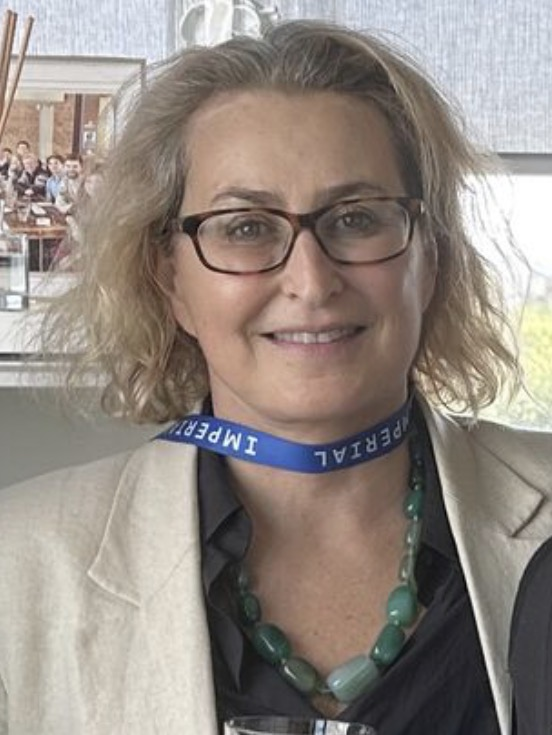
Costanza Emanueli is Professor and Chair of Cardiovascular Science at Imperial College London, where she co-directs the Imperial British Heart Foundation (BHF) Centre of Research Excellence and chairs the 3Rs advisory group. She is internationally recognized for her research on cardiovascular extracellular vesicles, RNA therapeutics and regenerative medicine, with a particular focus on cardiac microvascular dysfunction and precision cardiovascular therapies.
Following training in Italy and the United States, she moved to the UK in 2005, where she has been continuously supported by the BHF as a Senior Lecturer, Senior Research Fellow and, from 2015 to 2026, as BHF Professor of Cardiovascular Science. She was previously Professor of Vascular Pathology and Regeneration at the University of Bristol before joining Imperial College London in 2018 to establish and expand her translational cardiovascular research program.
Professor Emanueli has made pioneering contributions to understanding how extracellular vesicles and other nanoparticles mediate intercellular communication in the cardiovascular system in health and disease. Her research established human pericardial fluid as a previously unrecognized cardiovascular signaling compartment by demonstrating that its extracellular vesicles are enriched in cardiovascular microRNAs and promote endothelial repair. She subsequently showed that pathological remodeling of pericardial fluid extracellular vesicle cargo in coronary artery disease alters macrophage immunophenotype through microRNA-mediated signaling, providing new mechanistic insight into immune regulation within the cardiac microenvironment. Her work has further advanced the understanding of extracellular vesicle-mediated RNA transfer to cardiac cells and contributed to the development of bioinspired artificial exosomes based on lipid nanoparticles that reproduce the regenerative properties of native extracellular vesicles.
Her current research integrates extracellular vesicle engineering, RNA therapeutics, lipid nanoparticle technologies and advanced human cardiovascular models to develop precision delivery systems for cardiovascular disease. A major focus of her laboratory is the engineering of endothelial-targeted extracellular vesicles and RNA nanomedicines to improve delivery specificity and accelerate the clinical translation of regenerative cardiovascular therapies through multidisciplinary collaborations spanning molecular biology, bioengineering, computational biology and cardiovascular medicine.
Ke Cheng
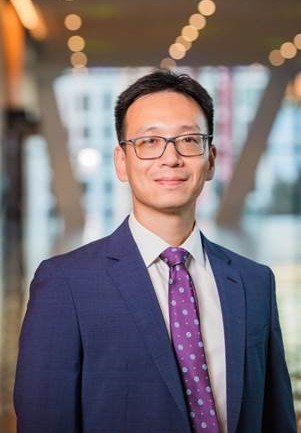
Dr. Cheng is the Alan L. Kaganov Professor of Biomedical Engineering at Columbia University. He currently also serves as the founding chair of Bioengineering Science Committee of American Heart Association (AHA) and chair of board of directors of American Association of Extracellular Vesicles (AAEV). He served as the Chair of the NIH Biomaterials and Biointerfaces (BMBI) study section (2022-2024). He also co-directed the NIH Comparative Molecular Medicine T32 Training Program and served as the Executive Director of Interdisciplinary Scholarship in NC State’s Office of the Provost. Dr. Cheng received his B.S. degree in Pharmaceutical Engineering from Zhejiang University (2004) and Ph.D. degree in Bioengineering from University of Georgia (2008). He has been consistently name as a“highly cited researchers” by Clarivate. Research from Dr. Cheng’s lab has been summarized in publications in Science, Lancet, Nature Biotechnology, Nature Materials, Nature Nanotechnology, Nature Biomedical Engineering, Science Translational Medicine, Circulation Research, European Heart Journal, and more. Dr. Cheng is an elected international member of the French National Academy of Medicine (ANM), an elected international member of Academia Europaea, an elected fellow of the Biomedical Engineering Society (BMES), International Association of Medical and Biological Engineering (IAMBE), the American Institute of Medical and Biological Engineering (AIMBE), the AAEV, and the AHA. Additionally, he currently serves as the Editor-in-Chief for Extracellular Vesicle (Elsevier) and Associate Editor for Bioactive Materials. Dr. Cheng has been devoted to the clinical application of stem cells and exosomes. He led several Investigational New Drug (IND) applications obtained from the FDA. Dr. Cheng has been recognized by numerous awards, including the prestigious Wallace H. Coulter Award for Healthcare Innovation, Clemson Award for Applied Research, AIMBE Professional Impact Award for Mentoring, AAEV Founder’s Award etc
Philippe Menasché
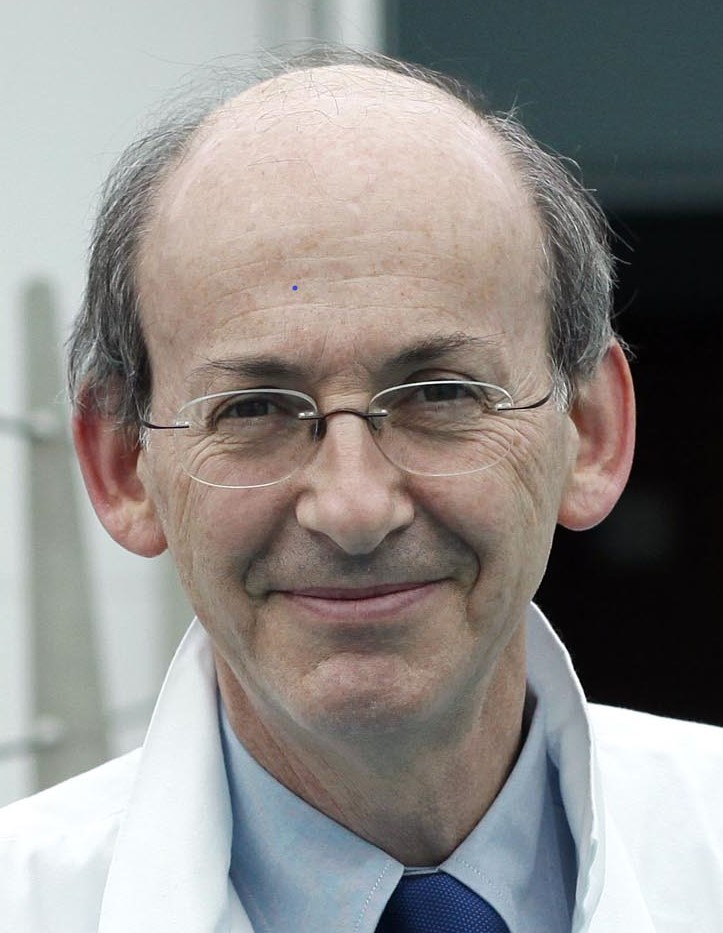
Dr. Philippe Menasché is a cardiac surgeon at the Hôpital Européen Georges Pompidou and co-leader of a research team devoted to cell therapy for the treatment of heart failure. While the initial studies of the group have focused, both experimentally and clinically, on the transplantation of skeletal myoblasts, they have then moved towards the combination of cardiac progenitors derived from human embryonic stem cells (ESC) with a tissue engineering-based construct. The first-in-man trial testing this cell-loaded patch has now been successfully completed. In parallel, mechanistic studies have unraveled the predominant role of paracrine signaling and its mediation by the cell-derived extracellular vesicle-enriched secretome. Consequently, the group has shifted its research towards the exclusive use of this secretome (isolated from pluripotent stem cell-derived cardiac progenitor cells) with the objective of further streamlining the clinical translatability of this myocardial repair strategy. A clinical trial testing this approach is now almost completed.
Ravi Shah
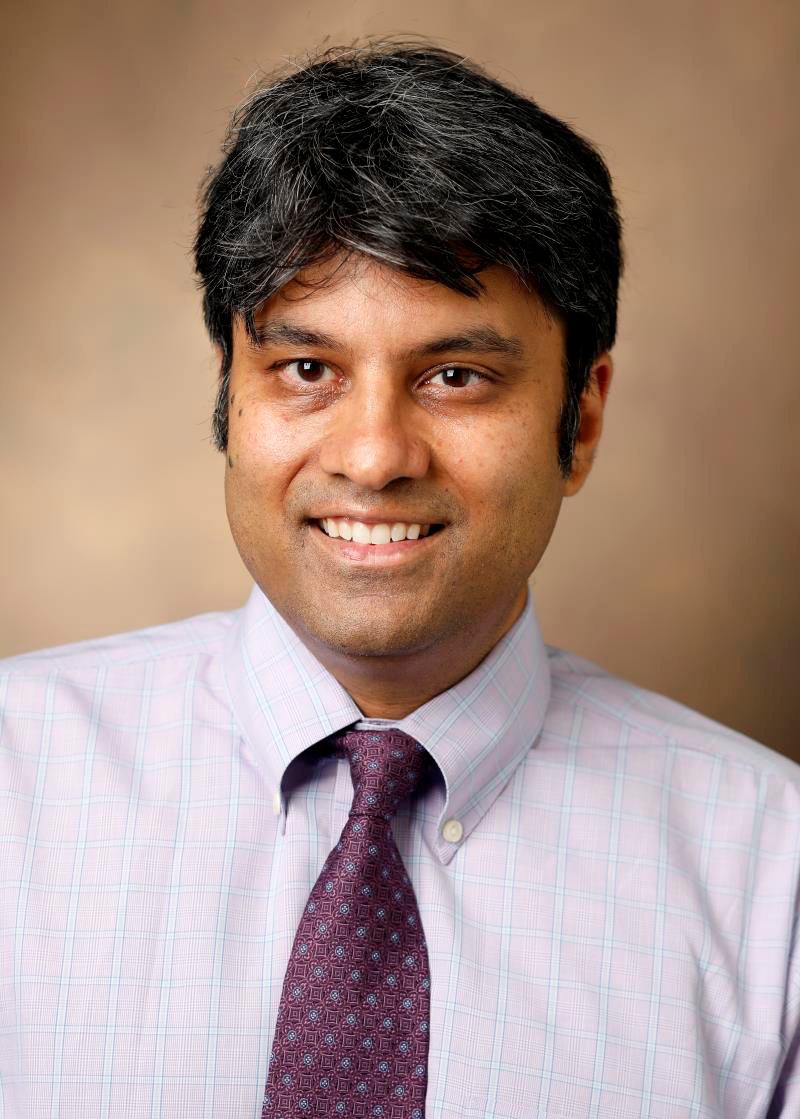
Dr. Ravi Shah is the Gottlieb C. Friesinger II Endowed Chair in Cardiovascular Medicine and Co-Director of the Vanderbilt Diabetes Research Center. He serves as Director of Clinical and Translational Cardiovascular Science in the Division of Cardiovascular Medicine and leads the NHLBI T32 Training Program at Vanderbilt University Medical Center. His research focuses on the mechanisms underlying cardiometabolic disease, diabetes, and human metabolism, with particular emphasis on insulin resistance, physical fitness, and metabolic risk. His work has advanced understanding of tissue glucose disposal, insulin signaling, and beta cell–derived extracellular vesicles (EVs) in diabetes. He has led and contributed to multi-omic profiling and cardiovascular phenotyping in major longitudinal studies, including the landmark NIDDK DCCT/EDIC study, as well as studies examining the effects of nutrition, aging, and exercise on diabetes and its complications.
In extracellular vesicle biology, Dr. Shah collaborates with investigators at Vanderbilt and beyond, including Eric Gamazon, PhD, and Dr. Saumya Das, applying functional genomics, iPSC models, and physiological approaches to elucidate EV-mediated mechanisms in cardiometabolic disease.
Dr. Shah is Executive Committee Co-Chair of the Framingham Heart Study and contributes to national initiatives including NHLBI TOPMed, the NIH ECHO Study, and the Human Virome Project.
Susmita Sahoo

Dr. Susmita Sahoo is an Associate Professor of Medicine, Cardiology, at the Icahn School of Medicine at Mount Sinai, New York. Translational and basic science research in her lab focuses on developing novel biomarkers and therapeutics to treat patients with heart failure. She is at the vanguard of cardiovascular exosomes and epitranscriptome research investigating how cells and organs communicate. Specifically, her research focuses on the role of extracellular vesicles in cardiac gene therapy, reno-cardiac disease, Type-1 and Type-2 diabetes and RNA modifications in heart failure.
Dr. Sahoo has served in several leadership positions for ISEV, BCVS (American Heart Association) and the International Society of Heart Research, North American Section (ISHR-NAS). She has also Chaired/Co-chaired many International Organizing Committees, especially for ISEV, Keystone, and ACS Symposium at the BCVS-AHA meeting. She has been honored with numerous awards, notably, the BCVS-AHA Outstanding Young Investigator Award, Harold and Golden Lamport Award, ISHR-MCI Leadership Achievement Award, and ISEV Lifetime Membership Award, among others.
Tijana Jovanovic-Talisman
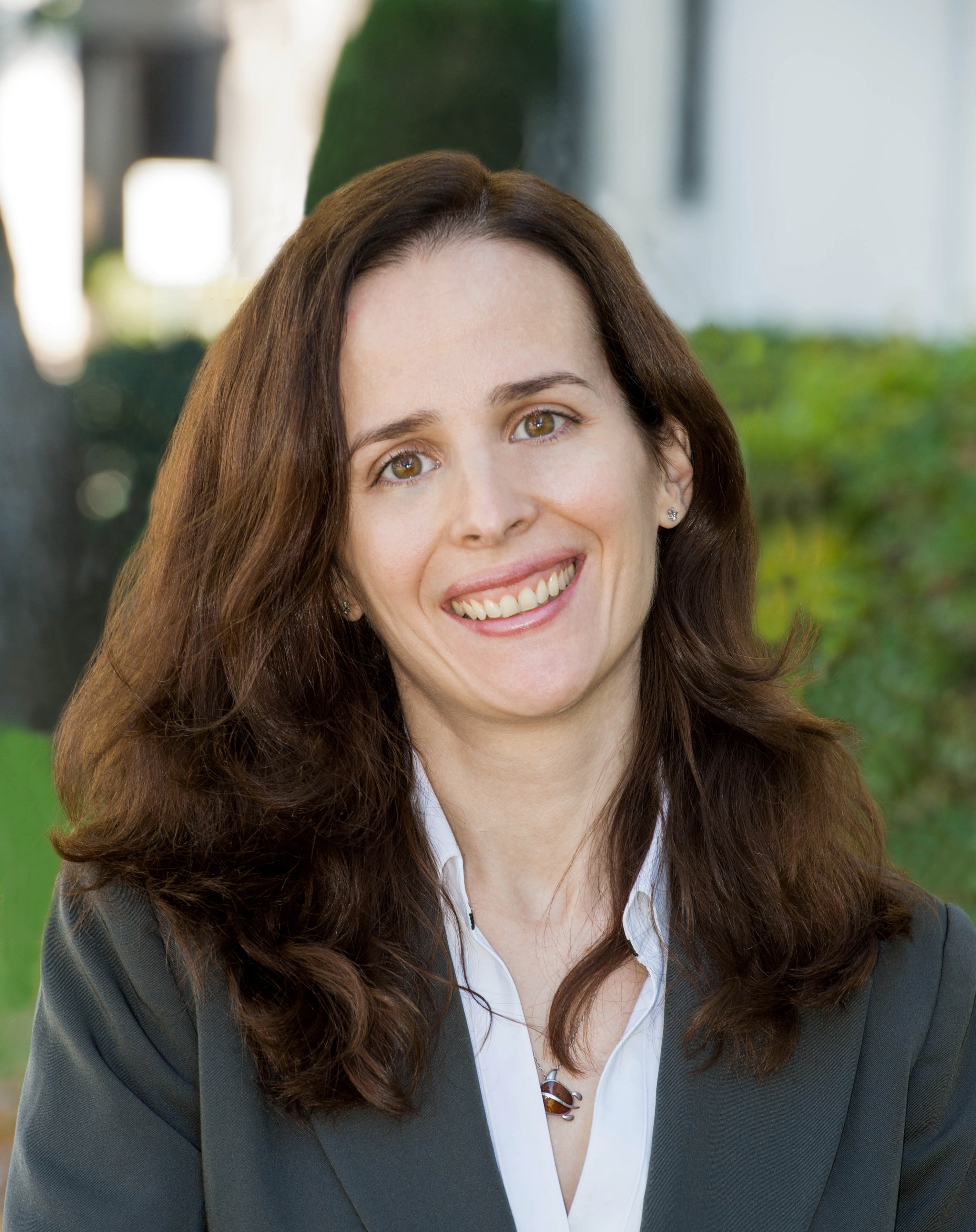
Dr. Jovanovic-Talisman received her B.Sc. in Physical Chemistry from the University of Belgrade, Serbia, and Ph.D. in Chemistry from Columbia University in New York. She subsequently completed postdoctoral fellowships at The Rockefeller University in New York and at the National Institutes of Health in Maryland. She is currently an Associate Professor in the Department of Cancer Biology and Molecular Medicine at the Beckman Research Institute of City of Hope, California. Her laboratory develops advanced imaging platforms to quantify and classify single extracellular vesicles.
|